Could the meltdown be about the switch, not the screen?
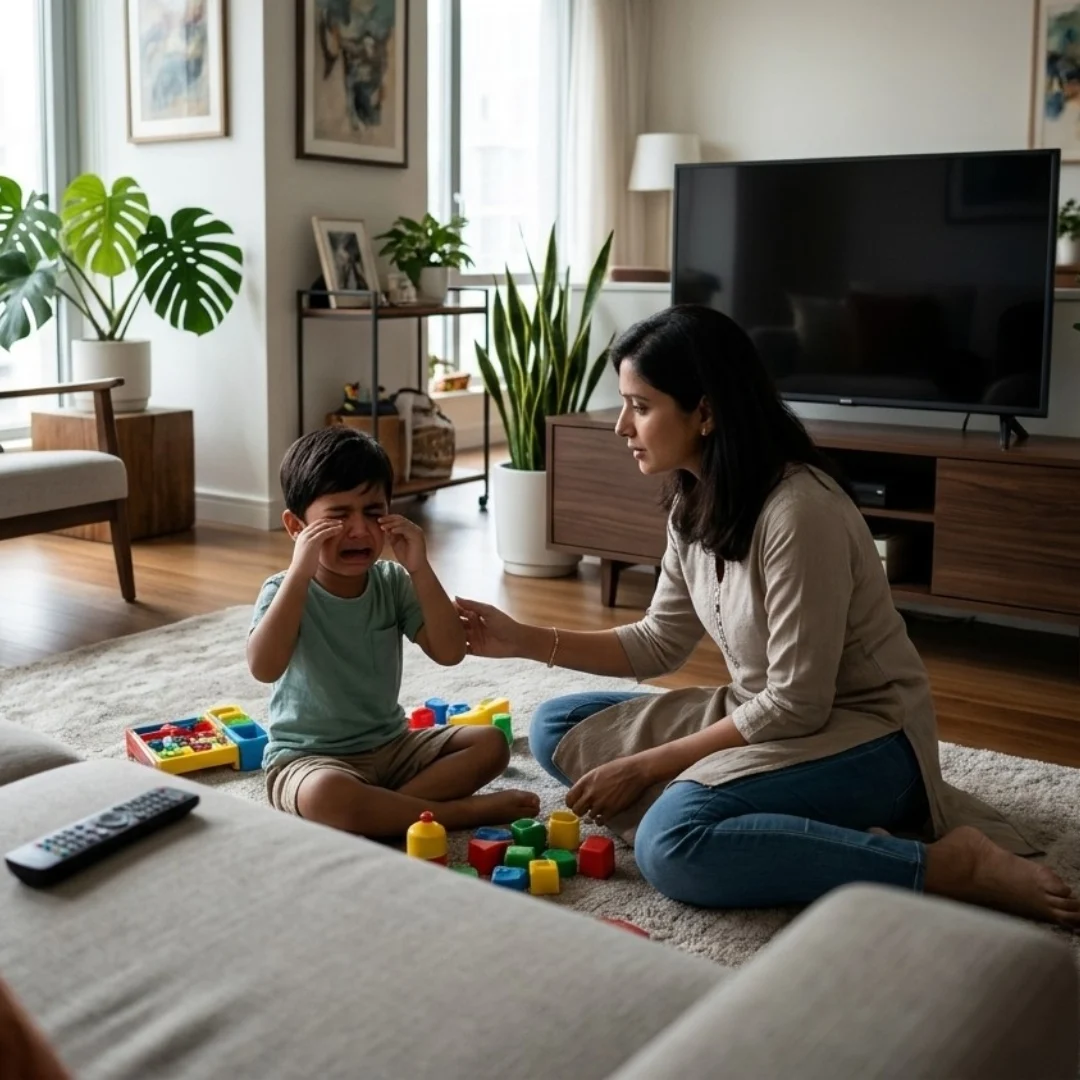
Stopping something fun is one of the hardest moments for a young brain. What happens just before the screen goes off, and what comes next, often matters more than the timer.
What if these aren't separate parenting problems?
Understand your child's behaviour, and what needs to change in your daily parenting. For parents of children aged 1–10.


Stopping something fun is one of the hardest moments for a young brain. What happens just before the screen goes off, and what comes next, often matters more than the timer.

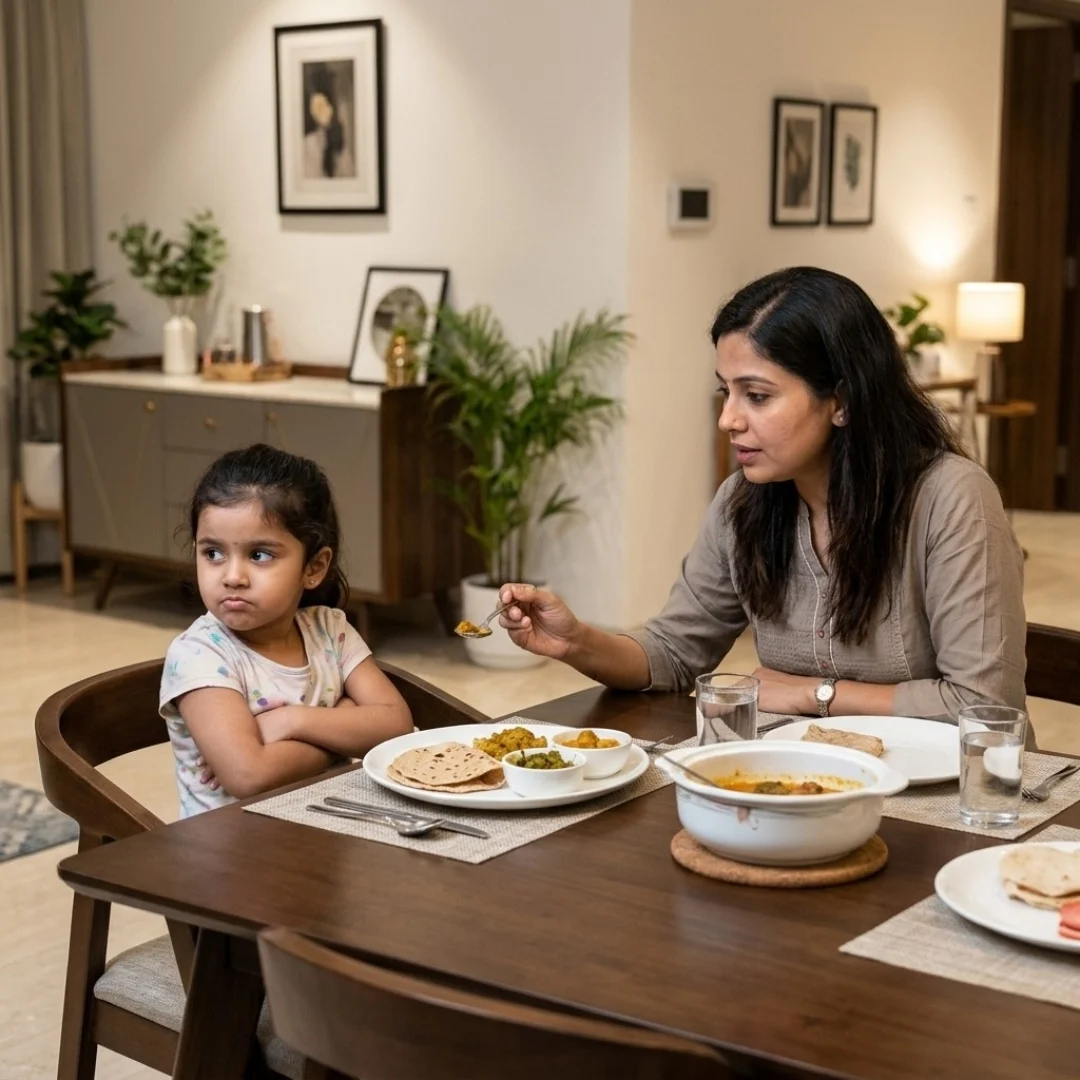
When children feel pushed to eat, many push back. Who serves and who decides can change the whole mood of a meal.

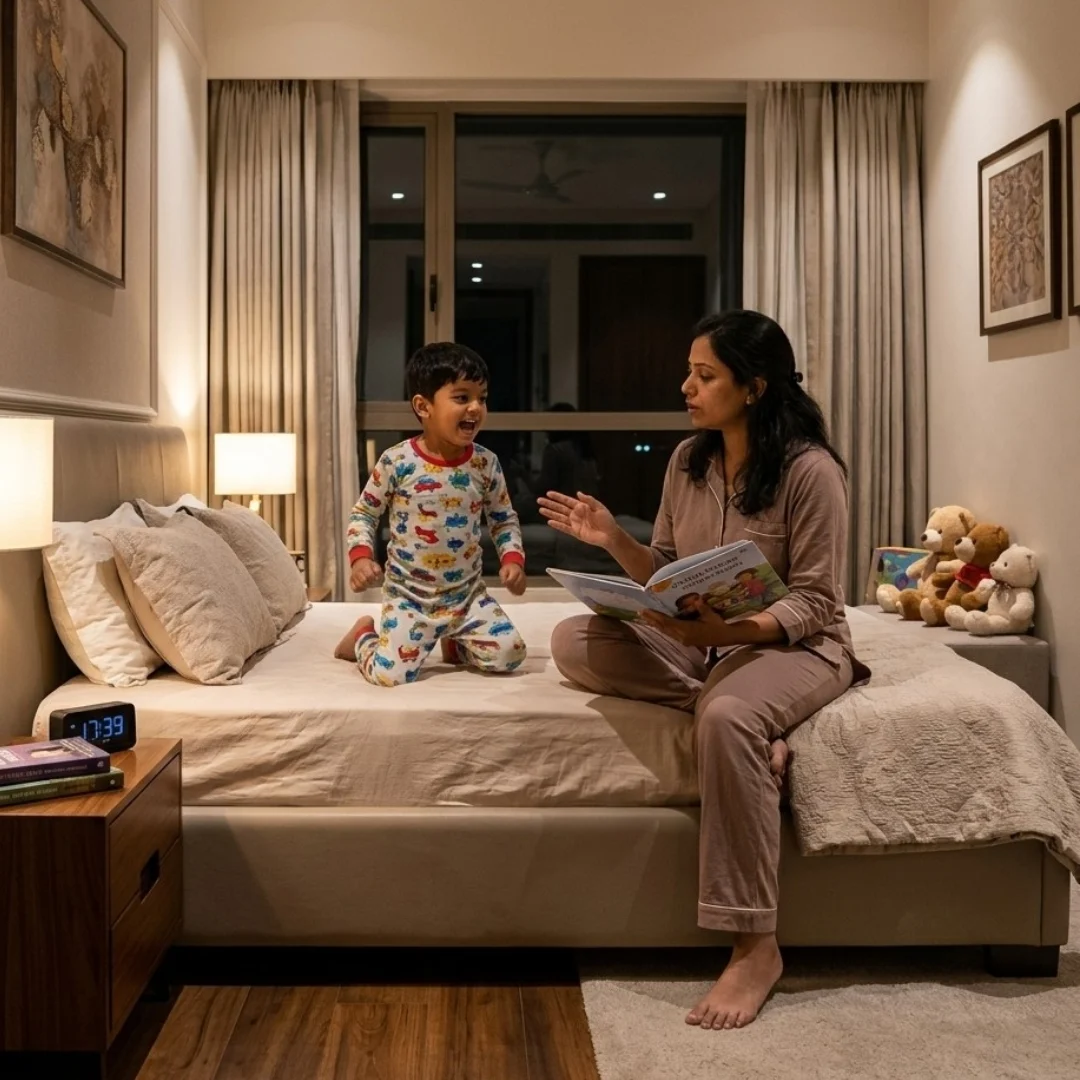
A child's routines, needs and reactions are often connected. How the afternoon and evening go shapes how bedtime goes.

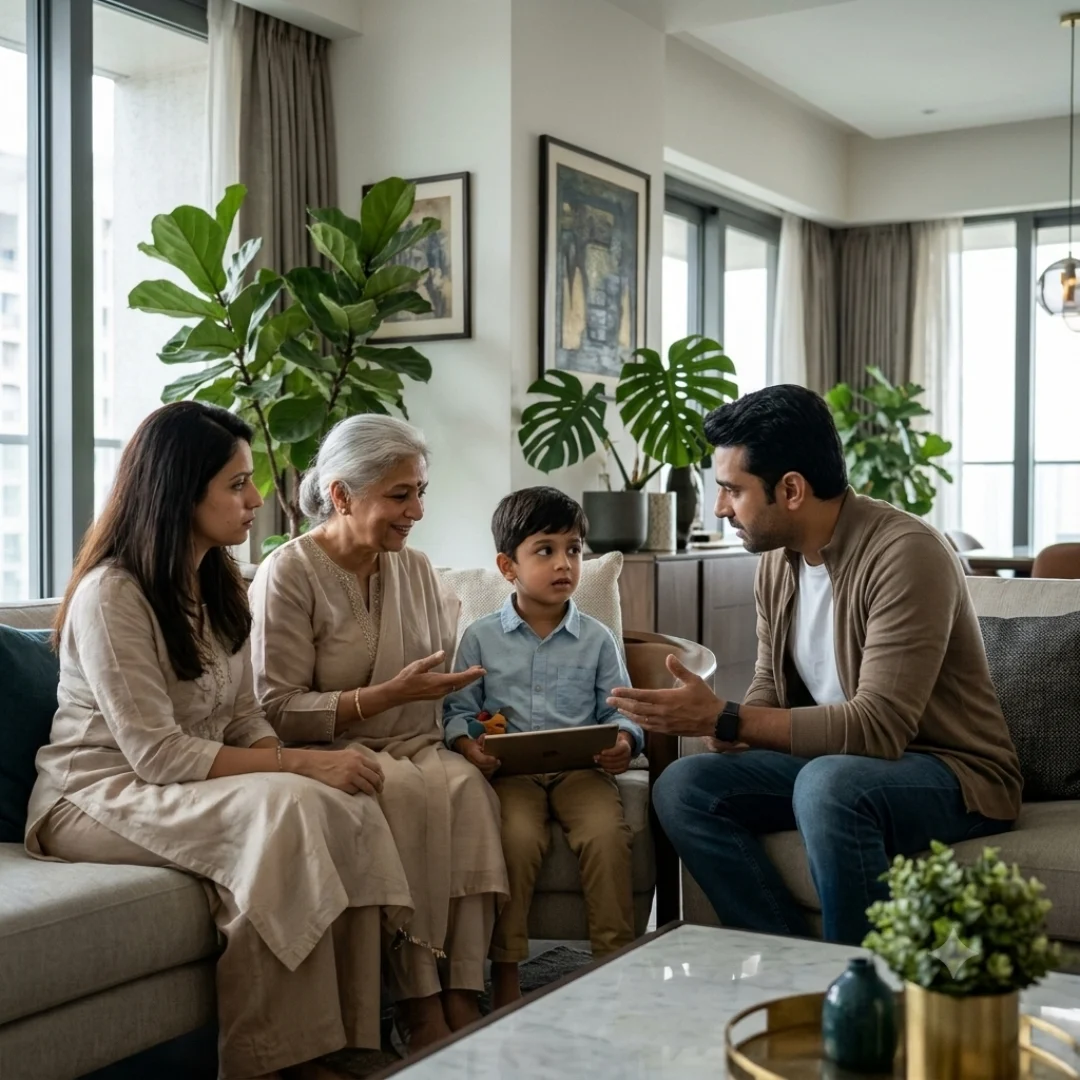
Children follow the rule the adults agree on. When answers change from person to person, every 'no' becomes a negotiation.
You're not a bad parent. You're a tired parent without a system, and a system can be learned.
It's also about what's happening around them.
Learn how to understand the bigger picture.
What may be behind your child's difficult behaviour.
How to approach big emotions and set kind, firm boundaries.
More predictable routines and a consistent approach at home.
Montessori educator, parenting coach, and mother of two. Helping Indian families approach parenting with more understanding and less guesswork.
And yes, her home has meltdowns too. The difference is having a plan for the hard moments, and that's what she shares in this masterclass.
It was great that the class was super interactive… a great mix of the Montessori and the real stuff.
This course was really helpful because there were so many things that I wouldn't have thought about. The information was really practical.
This course is superb and a must for every new mommy. God bless you. I have bonded well with my son.
By day five, both my boys were eating on their own.
Mama, I'm very happy with your parenting class.
Mama, you put the baby to sleep, I'll play.
Her quality of sleep has become so much better.
I feel I have changed more than my child has changed.
I finally feel like I'm doing something right.
Experiences shared by Follow Your Child parents. Every child is different, and results vary.
Most advice stops at tips. Ankita's system starts with your child, builds your skills, and then works on the biggest part: you.
Child development science: what's normal at each age, and what behaviour is really saying.
Kind but firm boundaries, a daily rhythm, meals, independence, and every caregiver on the same page.
Your own triggers, how to repair after a hard moment, and becoming the calm role model your child copies.
Parenting success = 10% child development science + 20% parenting skills + 70% parenting mindset.
What's happening in the brain from birth to 10.
Child, home and adults, with real examples.
Food, sleep and screens, including grandparents and helpers.
And repairing after a hard day.
Bring your toughest moment. Ask in English or Hindi.
At the end, Ankita also shares how you can keep working with her through her RAISE program, if you'd like more support. The masterclass is completely free, with no obligation.

Shared live at the end of the masterclass, for everyone who stays through the Q&A.
Yes, 100% free. No card details needed.
It's a live session on Zoom with Ankita, so you can ask your questions in the chat.
About 2 hours, including the live Q&A at the end.
English, with lots of everyday Indian examples. You're welcome to ask your questions in Hindi.
Yes. It covers children from 1 to 10. Most examples come from ages 1–6, and Ankita answers questions about older children in the Q&A.
The live session is where the real value is, especially the Q&A. If you can't make it, reply on WhatsApp and we'll help you join the next session.
At the end, Ankita shares how you can continue with her RAISE program if you want more help. The masterclass is completely free, with no obligation.
Yes, please do. Register once and watch together. Children do best when both parents use the same approach.

Two hours with Ankita can change how the rest of your week goes.